Document preparation is often the least glamorous part of a no-deposit car finance application, yet it can determine whether a lender can assess you quickly and accurately. In South Africa, requirements vary between lenders and between employed, self-employed, and contract applicants. Most providers want to verify identity, address, income, banking activity, and existing obligations before making an affordability decision. Missing pages, outdated proof, or unexplained deposits can create delays or requests for clarification. This guide organizes the usual paperwork into a practical checklist, explains what different applicants may need, and shows how to protect sensitive information while applying. Requirements can change, so confirm the final list directly with the lender or authorised intermediary before uploading anything.
Start with identity and address proof
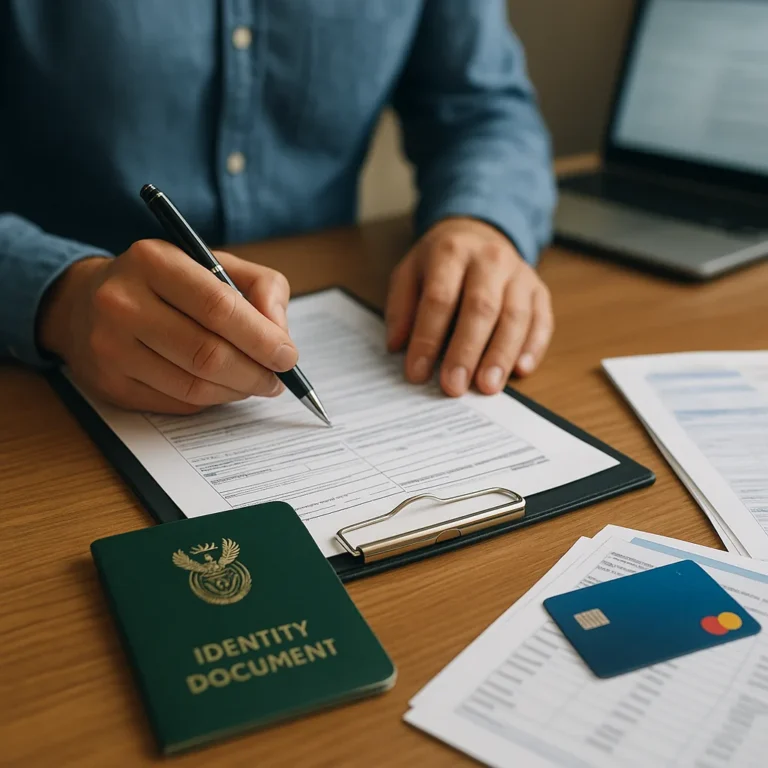
Begin with documents that establish who you are and where you live. A lender may request a copy of your South African identity document or card, along with proof of address such as a recent municipal account, utility bill, or bank statement. The address should normally match the information on the application, and the document may need to be recent. If you live with family, rent informally, or have moved recently, ask what alternative proof is accepted instead of sending random paperwork. Check that scans are readable, edges are visible, and names match across documents. Small inconsistencies can prompt a manual review and cause delays.
Prepare income records for salaried work
For salaried employees, lenders commonly request recent payslips and bank statements showing salary deposits. They may also ask for an employment letter, tax information, or evidence of service. Check that dates are consistent and deductions or irregular bonuses are understandable. If salary enters more than one account, disclose the relevant accounts instead of presenting an incomplete picture. The aim is to show sustainable income, not just the highest month. Keep original digital files because screenshots may be rejected when they hide account details or statement periods. Before sending anything, ask whether the lender requires certification, stamping, or a specific file format.
Gather extra evidence for variable income
Self-employed applicants and people with variable earnings may need a broader financial record. Prepare recent bank statements, financial statements, tax returns or assessments, company registration details where relevant, and evidence of regular business income. Contract workers should keep current contracts, invoices, and proof of payments, while commission earners may need a longer history to show an average. Do not move money between accounts simply to make deposits appear larger; unexplained transfers can create questions. Labeling recurring income and separating business from personal records can make review easier. Because policies differ, ask the lender for a tailored checklist before paying for certification or requesting unnecessary documents.
Review banking and credit information
Bank statements do more than confirm income: they help the lender understand regular commitments and spending patterns. Review them before submission and be ready to explain large transfers, returned payments, gambling-related transactions, or frequent short-term borrowing if they appear. Do not edit, crop, or conceal pages. The lender may obtain a credit report with your permission or under credit rules, so check that details and account information are accurate. If you find an error, raise it with the relevant credit provider or bureau before applying, because a correction may take time. Honest context is safer than a last-minute attempt to make the record clean.
Send a secure, organized application
Create one folder with clearly named files, such as “ID,” “address,” “March payslip,” and “three-month bank statement.” Check every page before uploading and use the lender’s secure portal rather than sending sensitive records through an unknown contact. Ask how long documents remain valid, whether certification is required, and who can access them. If the lender requests clarification, respond directly and keep a record of what was supplied. Never share passwords, one-time pins, or full online-banking access. Once the file is complete, compare the written offer with your budget and the vehicle quotation. Good preparation improves clarity, but it cannot replace affordability or guarantee approval.
Where to continue your research safely
To keep researching, review National Credit Regulator South African Revenue Service and compare which option makes the most sense for your situation.
Key criteria to compare before you decide
A good decision depends on more than a first impression. Compare total cost, timing, reputation, effort required, and the clarity of the offer conditions. When those criteria are visible together, it becomes easier to tell whether an option solves the problem or only looks attractive at first.
How to use this guide for your next step
Review the criteria before moving forward
Which documents do South African lenders require for a no-deposit car finance application calls for context, comparison, and patience. Use the points above as a practical checklist: revisit your goal, look for concrete signals, and move forward only when the choice fits your current needs.